The Patient Who Made It Feel Real
From "Am I Ready?" To "I've Actually Done It."
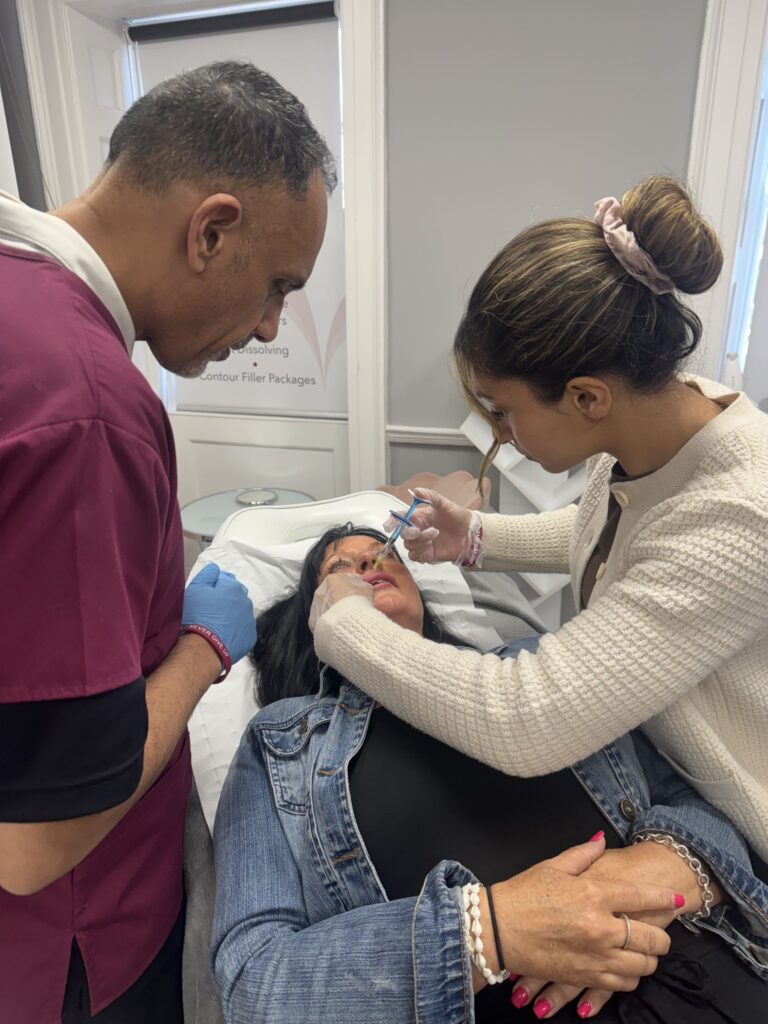
Miya had completed her training.
She had learned the theory. She had treated models.
She had developed the clinical foundations she needed.
But there was still one important step separating training in aesthetics from actually becoming an aesthetic practitioner.
Someone had to pay her.
That first patient represents something much bigger than revenue.
It means somebody has seen you as the practitioner.
- They have listened to your advice.
- Trusted your judgement.
- And chosen you.
The Difficult Bit
Like many newly trained practitioners, the challenge wasn’t necessarily knowing what to do.
It was taking what she’d learned in the training environment and implementing it independently.
There are suddenly different questions:
“What if nobody books?”
“What if I’m nervous during the consultation?”
“What if they ask something I can’t answer?”
“Am I actually ready to charge someone for this?”
This is the gap that certificates cannot close.
Only action can.
Then Came The First Patient
That consultation was different.
This wasn’t another training model.
This was her patient.
- Her assessment.
- Her treatment plan.
- Her responsibility.
And ultimately, her result.
The Real Transformation
The biggest change wasn’t the money she received.
It was what the payment represented.
Someone had trusted Miya enough to pay for her expertise.
She had crossed an invisible line:
- Student
- Trained Practitioner
- Treating Practitioner
That first patient provided evidence that this could become real.